How Pipefluence Runs Your SDR Loop
Five decision stages, fully agentic. Each stage is auditable, configurable, and connected to your existing CRM, sequencing platform, and intent data feeds. We don't replace Outreach or HubSpot — we orchestrate them.
Stage 01
ICP Definition & Scoring
Define your ideal customer profile by firmographics (industry, headcount, ARR band, geography) and technographics (stack must include / exclude). Pipefluence turns that ICP doc into a live scoring model — not a static spreadsheet. Accounts re-score on a configurable cadence as signal data updates. The ICP score threshold (e.g. ≥ 70) controls which accounts graduate to Stage 2.
Stage 02
Intent Signal Detection
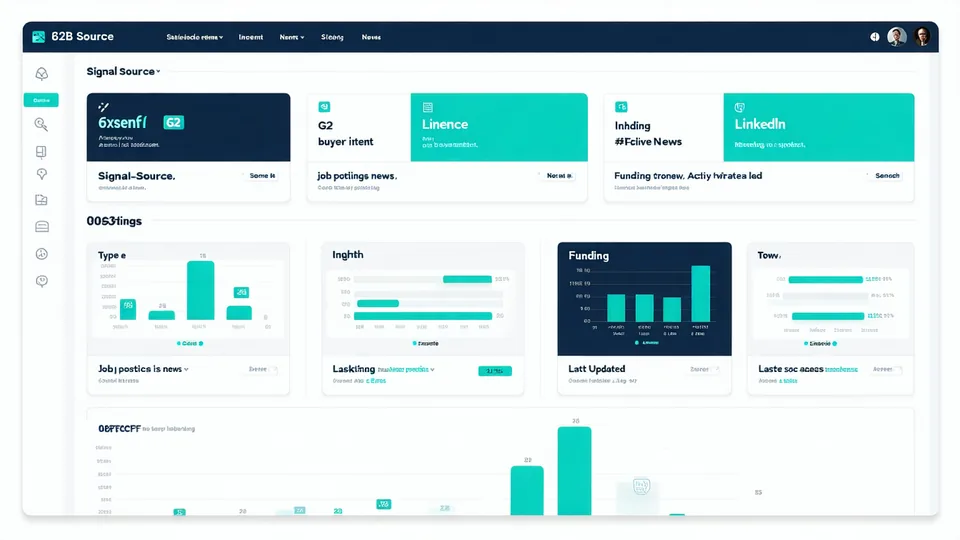
Connect 6sense, Demandbase, or G2 Buyer Intent feeds alongside LinkedIn Sales Navigator signals, job posting crawls, and funding event watchers. Pipefluence weighs each signal type by an ICP-fit multiplier — a high-fit account posting a Head of RevOps role carries more weight than a low-fit account visiting a G2 category page. Signal weighting is configurable per ICP tier.
Stage 03
Sequence Launch
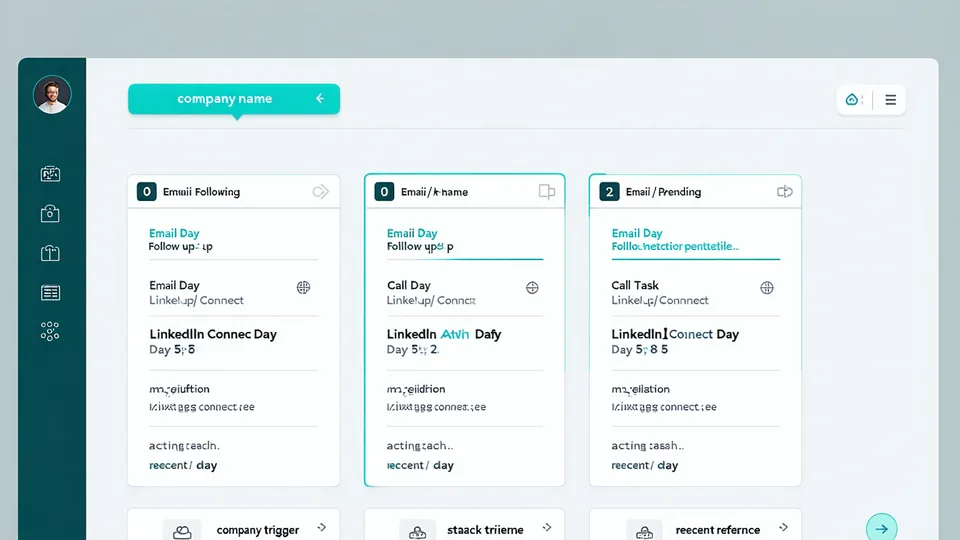
Qualifying accounts trigger sequence template selection. Pipefluence personalizes variable fields — company name, recent funding or hiring news hook, technographic reference, ICP-matched pain statement — and pushes steps directly into Outreach or Salesloft. You choose whether an SDR reviews before launch, or the sequence fires automatically. Both modes write the enrollment event back to HubSpot or Salesforce.
Stage 04
Reply & Engagement Monitoring
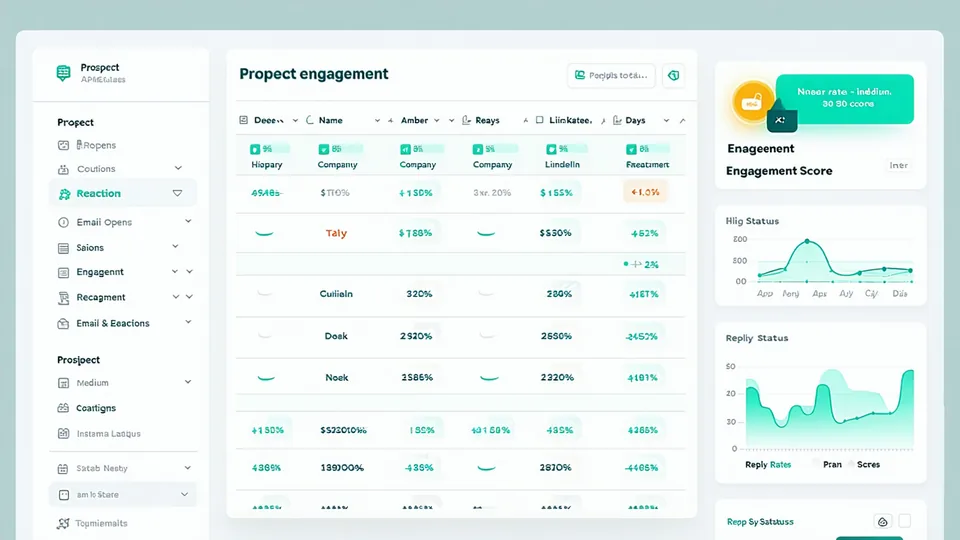
Pipefluence tracks reply rate per sequence, Gong call keyword mentions, email-open cadence, and LinkedIn reactions at the prospect level — not just the account level. When an engagement pattern matches the booked-meeting predictor threshold (configured by you), the account escalates to Stage 5 automatically. Your AEs don't need to watch the inbox for warm signals.
Stage 05
AE Handoff Card
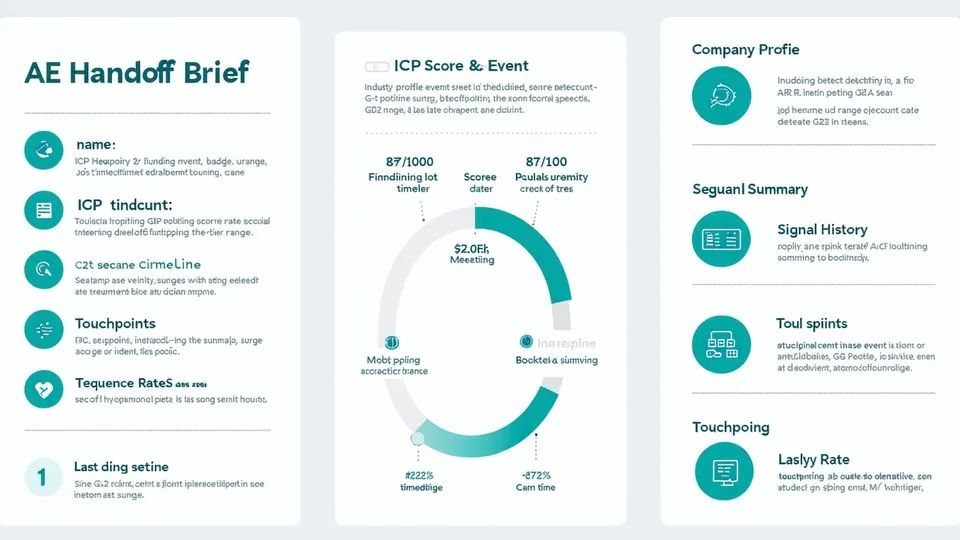
Pipefluence generates a one-page AE handoff card: company overview, current ICP score, full signal history, sequence engagement timeline, and any Gong call references where the account was mentioned. The card lands as a CRM task in HubSpot or Salesforce, and a Slack DM to the assigned AE. The AE arrives at the first meeting with context — not a cold open on a name they don't recognize.
Ready to run the loop?
Bring your ICP doc, your current stack, and your reply-rate number. Daniel will walk through exactly where the gap is and whether Pipefluence closes it — 20 minutes, no demo theater.